

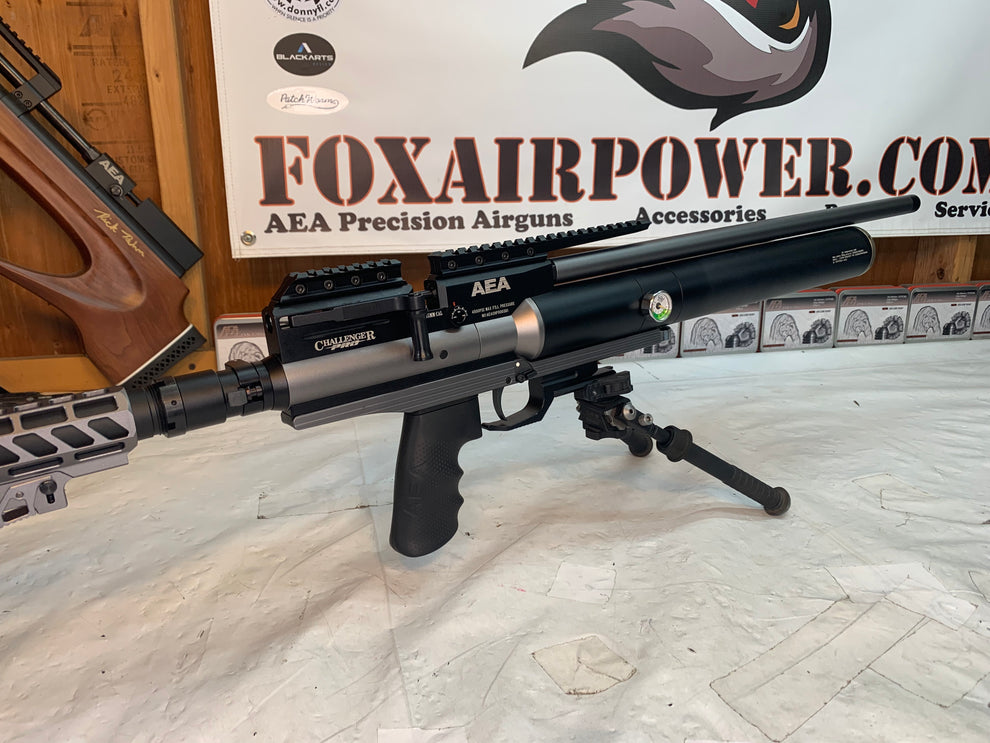
The 2024 Special Target Shooting Gun – Challenger Pro Special Version is presented as a specialized regulated PCP platform developed around the AEA Challenger Pro architecture. A long-barrel configuration is used, while an externally adjustable regulator and adjustable trigger system are incorporated to support controlled target-shooting setups. 2024 Special Target Shooting Gun-Challenger Pro Special Version In Stock
The model is offered primarily for experienced airgun users who value consistency, adjustability, repeatable handling, and a substantial air reservoir. Rather than being configured as a basic recreational air rifle, the Challenger Pro Special Version has been developed around a more specialized shooting platform in which pressure management, trigger characteristics, optics positioning, and shot-to-shot repeatability can be carefully managed.
According to the manufacturer listing, the package is supplied with the Challenger Pro rifle, two magazines, a Bintac tactical clamp, a fill probe, and a CNC-machined stock.
Challenger Pro Special Version Overview
A regulated PCP operating system is used in the 2024 Special Target Shooting Gun – Challenger Pro Special Version. Compressed air is stored within the rifle’s reservoir and is metered through its regulator during operation.
Because regulated air delivery is incorporated, more consistent pressure can be maintained through a useful portion of the reservoir’s fill cycle. Consistent pressure management is particularly valuable during deliberate target shooting, where variations between individual shots are generally expected to be minimized.
An externally adjustable regulator is also included on the Special Version. Any adjustment should be carried out strictly according to manufacturer instructions and applicable local regulations.
A bolt-action mechanism is fitted. This traditional layout provides straightforward mechanical operation while allowing the shooter to maintain a deliberate firing rhythm.
A CNC stock is supplied as part of the listed package, and the overall configuration has been developed with stability and repeatable positioning in mind.
Key Product Characteristics
Several notable characteristics are incorporated into the platform:
- AEA Challenger Pro Special Version configuration
- Regulated PCP operating platform
- Long-barrel design
- Externally adjustable regulator
- Adjustable trigger system
- Bolt-action operation
- CNC-machined stock
- Optics mounting provision
- Large-capacity compressed-air system
- Multiple magazine capacity depending on caliber
- Fill probe supplied
- Two magazines included
- Bintac tactical clamp included
- Target-oriented configuration
The manufacturer’s current product page describes .30-caliber and .357-caliber options for this particular listing.
Technical Specifications
The following specifications have been published by AEA for the Challenger Pro Special Version:
Action
A bolt-action mechanism is specified.
The bolt system is intended to provide positive mechanical cycling between shots while maintaining a relatively uncomplicated operating layout.
Barrel Length
A 29.5-inch barrel is listed by the manufacturer.
The extended barrel contributes significantly to the rifle’s overall configuration and distinguishes this Special Version from more compact PCP platforms.
Overall Length
An overall length of approximately 37 inches is specified.
Despite the long barrel, the finished platform has therefore been packaged into a relatively concentrated overall profile.
Weight
A listed weight of approximately 8.6 lb is provided by the manufacturer.
Actual ready-to-use weight can be increased after an optic, mounts, accessories, or a different air reservoir has been installed.
Air Reservoir
A 350cc air tube is referenced in the manufacturer’s specifications, with larger 500cc or 600cc configurations also mentioned as possible options.
The exact reservoir supplied with any particular rifle should therefore be confirmed from its individual configuration rather than being assumed from the model name alone.
Maximum Fill Pressure
A listed air filling pressure of 4,500 PSI is specified.
Only correctly rated PCP filling equipment should be used. Pressure limits printed on the rifle, cylinder, valve, or current manufacturer documentation should always take precedence over third-party information.
Optics Interface
An optics mounting provision is incorporated into the rifle. The manufacturer describes it as a Pic-style scope mount.
A properly installed optic can be used for target observation and precise point-of-aim referencing, provided that mounting hardware is compatible with the rifle.
Caliber Configurations
The current AEA Special Version listing identifies .30 caliber and .357/.35 caliber configurations.
Caliber availability can change between production batches and regional distributors. Local regulations may also treat different energy levels or calibers differently.
Consequently, applicable licensing, possession, transport, storage, range-use, and power restrictions should be checked before the rifle is acquired or used.
.30-Caliber Configuration
For the .30-caliber version, the manufacturer lists:
- 9-shot magazine capacity
- Published test figures using a 50-grain projectile
- Long-barrel Special Version configuration
- Regulated PCP system
AEA publishes a figure of 1,100+ FPS with a 50-grain projectile and approximately 135 FPE for this configuration. These figures should be treated as manufacturer-stated performance figures rather than guaranteed results for every rifle, projectile, regulator setting, temperature, altitude, or test environment.
.357/.35-Caliber Configuration
For the larger-caliber configuration, an 8-shot magazine is listed.
AEA publishes approximately 1,000+ FPS with an 81-grain projectile and 185 FPE for this version. Again, these values represent manufacturer-provided figures and should not be interpreted as guaranteed chronograph results for every individual rifle.
Regulated PCP System
A regulator forms one of the defining components of this Challenger Pro configuration.
In an unregulated PCP system, reservoir pressure changes continuously as shots are fired. Consequently, valve behavior can change as the pressure decreases.
With a regulated platform, air pressure supplied to the firing system is controlled more closely over a portion of the reservoir’s pressure range.
As a result, improved shot-to-shot consistency can potentially be achieved when the regulator, ammunition, mechanical condition, and environmental variables are properly matched.
Consistency is particularly relevant during paper-target shooting because vertical dispersion can be influenced by variations in projectile velocity.
External Regulator Adjustment
An externally adjustable regulator is listed as part of the Special Version configuration.
Its presence provides additional adjustment capability, but regulator changes should not be approached casually.
Factory documentation should be followed because inappropriate pressure adjustment can affect reliability, safety, component life, legal classification, and warranty status.
Pressure-related components should never be altered beyond their rated operating limits.
Adjustable Trigger
Trigger adjustment is another feature specifically identified for the Challenger Pro Special Version.
For target shooting, consistent trigger behavior can contribute to repeatable technique. Excessive movement immediately before projectile release can disturb sight alignment; therefore, predictable trigger operation is often valued.
Any trigger adjustments should nevertheless remain within the safe parameters specified by the manufacturer.
The trigger should never be adjusted to a condition in which safe engagement or reliable sear operation is compromised.
After legitimate maintenance or adjustment, function and safety checks should be completed in accordance with the manufacturer’s instructions before the rifle is used.
Long-Barrel Configuration
A 29.5-inch barrel is one of the most visually distinctive features of this model.
The barrel length has been selected as part of the Special Version architecture and is paired with the rifle’s regulated pneumatic system.
During deliberate target shooting, the complete system should be evaluated rather than barrel length being considered in isolation.
Projectile compatibility, barrel condition, regulator consistency, crown quality, optic installation, shooting support, atmospheric conditions, and shooter technique can all influence grouping performance.
CNC Stock
A CNC stock is included in the listed package.
Computer-controlled machining allows dimensions to be produced consistently and enables complex profiles to be created with repeatable geometry.
For a target-oriented air rifle, the stock forms an important interface between the shooter and the mechanical system.
Stable shoulder positioning, cheek placement, grip pressure, and support technique can all contribute to repeatability.
The best position will vary between shooters because body proportions, optic height, stance, shooting support, and personal preference differ.
Magazine System
Magazine capacity depends on caliber.
The manufacturer currently lists:
- .30 caliber — 9 shots
- .35/.357 caliber — 8 shots
Magazine-fed operation can make a sequence of target shots more convenient because individual projectiles do not have to be manually placed into the breech before every shot.
Nevertheless, magazines should be loaded and handled according to the manufacturer’s instructions.
The rifle should always be treated as loaded whenever its status has not been personally verified.
Included Equipment
The manufacturer’s published package contains:
- AEA Challenger Pro
- Two magazines
- Bintac tactical clamp
- Fill probe
- CNC stock
Actual package contents should be verified for each production batch or retailer because manufacturers can revise included accessories without changing the core product name.
Fill Probe
A fill probe is supplied according to the official product listing.
The probe forms the connection between compatible filling equipment and the rifle’s air system.
Before compressed air is introduced, seals and fittings should be inspected.
A damaged O-ring, contaminated fitting, incompatible connector, incorrectly rated hose, or loose coupling should not be used.
High-pressure compressed air must be treated seriously because substantial energy is stored inside PCP reservoirs.
Air Filling and Pressure Safety
The Challenger Pro Special Version carries a published maximum fill figure of 4,500 PSI.
Only equipment specifically rated for the required operating pressure should be used.
A suitable PCP compressor, approved high-pressure cylinder system, or other manufacturer-approved filling source may be required depending on the setup.
The pressure rating of every component in the filling chain should be confirmed.
That chain can include:
- Compressor or storage cylinder
- Regulator
- Hose
- Quick connector
- Fill probe
- Gauge
- Rifle reservoir
- Valves and fittings
The lowest-rated component should never be exceeded.
Optics Setup
An optic is commonly used on a target-oriented PCP rifle because precise aiming references can be established more easily than with coarse open sights.
The optic chosen should match the intended shooting environment.
Considerations can include:
- Magnification range
- Parallax adjustment
- Reticle design
- Optical clarity
- Eye relief
- Turret repeatability
- Weight
- Mount height
- Mechanical durability
- Compatibility with the rifle’s mounting system
Correct ring alignment should be maintained during installation.
Excessive ring torque should be avoided because scope tubes can be damaged when clamps are overtightened.
Target-Shooting Characteristics
The Challenger Pro Special Version is positioned as a target-oriented high-power PCP platform.
Its principal characteristics include regulated air delivery, adjustable controls, substantial air storage, a long barrel, magazine feeding, and an optics-ready receiver.
For disciplined range use, those features may be appreciated because a consistent shooting platform can be established.
However, mechanical specification alone does not determine target performance.
Shooter technique remains important.
A repeatable shooting sequence should typically involve consistent:
- Body position
- Grip
- Shoulder pressure
- Cheek placement
- Breathing
- Trigger control
- Follow-through
- Sight picture
Environmental conditions must also be considered.
Wind, temperature, humidity, projectile design, projectile weight, and range conditions can influence point of impact.
Benchrest and Supported Shooting
A substantial PCP platform can be particularly comfortable when used from a stable supported position.
During bench-based target practice, the rifle can be supported in a way that reduces unnecessary movement.
Nevertheless, pressure applied through the rest should remain consistent.
Changing the position of the front support between groups can sometimes change how a rifle responds.
A stable rear bag or equivalent range support can also be used where permitted.
The rifle should always remain pointed safely downrange.
Precision Practice
Target shooting is often improved through measurement rather than assumption.
Group size can be recorded at established distances.
Changes can then be made one variable at a time.
For example, different compatible projectiles may produce different grouping characteristics.
When several variables are changed simultaneously, determining what caused an improvement or deterioration becomes difficult.
A shooting log can therefore be useful.
Details may include:
- Date
- Range
- Temperature
- Wind conditions
- Projectile
- Projectile weight
- Fill pressure
- Number of shots
- Group size
- Optic settings
- Maintenance history
Ammunition Compatibility
Only projectiles appropriate for the rifle’s caliber and manufacturer specifications should be used.
Projectile diameter, weight, shape, material, and manufacturing consistency can influence performance.
A projectile should never be forced into the magazine or chamber.
If abnormal resistance is encountered, the rifle should be made safe and inspected according to the manufacturer’s instructions.
Damaged projectiles should generally be discarded.
Understanding Manufacturer Velocity Figures
Velocity numbers attract substantial attention on high-performance PCP listings.
However, a manufacturer’s velocity figure should be interpreted correctly.
Chronograph readings can vary because of:
- Projectile mass
- Projectile design
- Barrel condition
- Regulator setting
- Reservoir pressure
- Valve configuration
- Ambient temperature
- Measurement equipment
- Production tolerances
For that reason, manufacturer figures should be viewed as reference specifications rather than a guarantee of identical results in every environment.
Energy Figures
Energy is influenced by both projectile mass and velocity.
Consequently, two projectiles fired at similar velocities can produce significantly different muzzle-energy values when their masses differ.
The manufacturer publishes approximately 135 FPE for its .30-caliber reference configuration and approximately 185 FPE for its .35-caliber reference configuration.
Local law should be consulted because energy thresholds may determine whether licensing, registration, transportation controls, or other requirements apply.
Responsible Range Use
The rifle should be used only where safe and lawful shooting is permitted.
An appropriate backstop must be capable of safely stopping the projectile being used.
A visual target alone must never be treated as a backstop.
The area beyond the target must also be considered.
For high-energy PCP equipment, lightweight improvised materials may be unsuitable.
A professionally designed range is preferable whenever available.
Eye and Hearing Protection
Appropriate eye protection should be worn.
Other range users should also be protected from fragments, ricochets, damaged targets, pressurized equipment, and other hazards.
Hearing protection may also be appropriate depending on the rifle, range design, local rules, and nearby shooters.
Safe Handling
Several basic principles should always be followed:
- Every airgun should be treated as loaded until personally verified otherwise.
- The muzzle should always be maintained in a safe direction.
- A finger should remain away from the trigger until a shot is intentionally being prepared.
- The target and the area beyond it should be positively identified.
- Mechanical safeties should never replace safe handling.
- Unauthorized users should be prevented from accessing the rifle.
- Storage requirements applicable in the owner’s jurisdiction should be followed.
Storage
Storage should be secure.
The rifle should be protected from unauthorized handling, moisture, impact, extreme temperature, and corrosive environments.
Local legislation may require locked storage, separate ammunition storage, transport cases, trigger locks, gun cabinets, or other measures.
Those rules should be followed wherever they apply.
Maintenance
Routine maintenance can help preserve consistent operation.
External metal surfaces should be protected from moisture and fingerprints.
Only lubricants approved for high-pressure PCP systems should be used.
Petroleum-based oils should not be introduced into high-pressure air components unless explicitly approved by the manufacturer.
Seals should periodically be examined where manufacturer instructions permit.
A qualified airgun technician should be consulted when pressure-system servicing is required.
Barrel Care
A barrel does not necessarily require aggressive cleaning after every range session.
Excessive cleaning can introduce unnecessary wear if inappropriate rods, solvents, brushes, or techniques are used.
When cleaning becomes necessary, manufacturer-recommended methods should be followed.
The crown should be protected from mechanical damage.
Seal Condition
PCP systems depend on seals to retain compressed air.
A gradual pressure loss can indicate an O-ring, fitting, valve, gauge, or other sealing issue.
A suspected leak should not be addressed by repeatedly exceeding normal fill pressure.
Instead, the rifle should be depressurized and serviced according to manufacturer guidance or handled by an appropriately qualified technician.
Regulator Maintenance
The regulator is a precision pressure-control component.
Internal service should not be attempted without proper technical knowledge and correct equipment.
Unauthorized disassembly may affect:
- Reliability
- Accuracy
- Pressure stability
- Safety
- Warranty coverage
The manufacturer specifically cautions that unauthorized modifications may affect warranty coverage.
Transport
Airgun transport rules differ significantly between jurisdictions.
The rifle may need to be unloaded, enclosed in a case, inaccessible during transportation, or accompanied by documentation.
Air travel and international transport can involve additional restrictions.
Before any journey, current rules should be checked with the relevant authorities and carrier.
Legal Classification
Powerful PCP air rifles are not regulated identically around the world.
In certain jurisdictions they may be treated similarly to conventional firearms once particular caliber, velocity, or muzzle-energy thresholds are exceeded.
Elsewhere, separate airgun licensing regimes may apply.
Therefore, the legal status of the Challenger Pro Special Version cannot be determined solely from its product category.
The owner’s location and exact configuration must be considered.
Who Is the Challenger Pro Special Version Designed For?
The platform is primarily relevant to experienced adult airgun users who understand PCP filling systems, range discipline, compressed-air safety, optics setup, and applicable regulations.
Its specialized configuration can be useful for organized target shooting and technical airgun practice where adjustable equipment is desired.
Beginners should receive competent instruction before handling high-pressure, high-energy PCP equipment.
Build and Configuration
The design combines a long barrel with a comparatively compact 37-inch overall platform.
A CNC stock and optics provision are integrated into the layout.
The result is a distinctly technical appearance rather than the traditional profile associated with conventional sporting air rifles.
The balance point will depend partly on the air reservoir, optic, mounts, and accessories installed.
Practical Target-Range Setup
Before a formal range session begins, the rifle can be inspected systematically.
The following should be checked:
- Reservoir pressure
- Fill connection
- Fasteners
- Optic mounting
- Magazine condition
- Barrel obstruction status
- Trigger function
- Safety operation
- Backstop condition
- Target placement
This type of inspection can reduce avoidable problems during a session.
Establishing an Optic Zero
Any zeroing procedure should be conducted at an authorized range or similarly safe location with an adequate backstop.
The optic and mounts should first be securely installed according to their manufacturer’s specifications.
Initial alignment should then be confirmed on a large target at an appropriate range.
Fine adjustments can subsequently be made in a controlled manner.
Because trajectory varies with projectile characteristics and environmental conditions, one zero should not be assumed to represent every distance.
Consistency Over Long Shooting Sessions
A regulated system can be useful during extended practice because more stable pressure delivery may be maintained over part of the fill cycle.
However, every regulator has an operating range.
Once reservoir pressure falls below the required regulator pressure, shot behavior can change.
Shooters should therefore learn the normal pressure range of their individual rifle.
Recording Shot Strings
Chronograph data may be used by experienced users in lawful range environments to evaluate consistency.
A shot string can reveal variations in velocity over the reservoir’s usable pressure range.
Such measurements can also help identify unusual regulator behavior or maintenance needs.
Any testing should remain within manufacturer parameters and legal power restrictions.
Why Projectile Consistency Matters
Precision is affected not only by the rifle but also by projectile quality.
Variations in weight, dimensions, or shape can influence flight.
High-quality target projectiles are generally manufactured with tighter dimensional tolerances.
Even so, individual barrels can show preferences for specific compatible ammunition.
Environmental Effects
Airgun projectiles can be affected considerably by wind.
Because velocity decreases during flight, crosswinds may influence lateral impact at longer ranges.
Range conditions should therefore be observed carefully.
Temperature can also influence equipment behavior, projectile flight, lubricants, seal performance, and compressed-air pressure.
Ergonomics
Ergonomics are particularly important when a rifle is used repeatedly during long target sessions.
The CNC stock provides the primary contact structure.
Stable cheek contact and shoulder placement can help create a consistent sight picture.
Users should avoid forcing themselves into uncomfortable positions merely to match another shooter’s setup.
Balance
With a listed weight of approximately 8.6 lb before various accessories are considered, the Challenger Pro Special Version is a substantial PCP platform.
The balance can change considerably depending on optic selection and reservoir configuration.
A heavy optic positioned high above the bore can alter handling.
Similarly, changing the air reservoir can affect the rifle’s center of gravity.
Long-Range Target Considerations
Longer target distances increase the importance of wind interpretation, projectile consistency, accurate range determination, and repeatable shooting technique.
Small errors at the rifle can become larger deviations at the target.
Consequently, long-range practice should be approached methodically rather than being judged solely by the rifle’s published power figures.
Frequently Asked Questions
What is the 2024 Special Target Shooting Gun – Challenger Pro Special Version?
It is a specialized version of AEA’s regulated Challenger Pro PCP air rifle. A long barrel, externally adjustable regulator, adjustable trigger, CNC stock, magazine-fed bolt action, and substantial compressed-air system are incorporated into the model.
Is the Challenger Pro Special Version regulated?
Yes. The manufacturer identifies it as an AEA Regulated Challenger Pro Long Barrel Special Version.
Does it have an externally adjustable regulator?
Yes. An externally adjustable regulator is specifically listed for this model. Adjustments should only be made according to manufacturer documentation and local law.
What calibers are listed?
The current manufacturer page lists .30 and .357-caliber selections.
How many shots does each magazine hold?
The manufacturer lists a 9-shot magazine for .30 caliber and an 8-shot magazine for .35/.357 caliber.
How long is the barrel?
The listed barrel length is 29.5 inches.
What is the overall length?
The manufacturer lists approximately 37 inches.
How much does the rifle weigh?
The published weight is approximately 8.6 lb before the effect of some optional accessories is considered.
What is the stated fill pressure?
The listed air filling pressure is 4,500 PSI.
Only appropriately rated PCP filling equipment should be used.
What reservoir capacity is specified?
A 350cc air tube is mentioned, together with possible 500cc and 600cc configurations. Individual product configuration should therefore be verified.
What action is used?
A bolt-action system is specified.
Is an optic included?
An optic is not identified as part of the standard package in the manufacturer’s published contents.
An optics mounting interface is provided.
What is supplied with the rifle?
AEA lists the rifle, two magazines, Bintac tactical clamp, fill probe, and CNC stock.
Is this model intended for target shooting?
The Special Version is presented as a specialized target-oriented configuration. Its regulated system, long barrel, adjustable trigger, adjustable regulator, and optics interface support controlled range use.
Can beginners use it?
Because high-pressure PCP systems require knowledge of compressed-air handling, range safety, and applicable regulations, competent instruction is recommended for anyone unfamiliar with this equipment.
Does velocity remain identical throughout an entire fill?
Not necessarily.
A regulator can improve consistency through its designed operating range, but performance can change as pressure falls below regulator requirements.
Are manufacturer velocity figures guaranteed?
No.
Published figures represent manufacturer specifications obtained under particular configurations or test conditions. Actual chronograph values can vary.
Can any projectile of the correct nominal caliber be used?
Only compatible ammunition meeting the rifle and magazine requirements should be used.
Projectile dimensions, shape, and weight can vary significantly even within one nominal caliber.
How should the rifle be stored?
It should be stored securely and in accordance with local law, protected from unauthorized access and unsuitable environmental conditions.
Can the regulator be disassembled at home?
Internal regulator servicing should generally be entrusted to trained personnel unless the manufacturer expressly provides owner-service procedures.
Does modification affect warranty coverage?
It can. Published retailer information specifically cautions that unauthorized modifications may affect warranty protection.
Is this air rifle legal everywhere?
No universal answer can be given.
Airgun laws vary by country, state, province, territory, and sometimes municipality.
Powerful PCP rifles may be subject to licensing or firearm-equivalent regulation in some locations.
Why does the exact model specification need to be checked?
Manufacturers may revise accessories, reservoirs, finishes, components, or configurations between production batches.
The markings and documentation supplied with the individual rifle should therefore be treated as authoritative.
Final Product Summary
The 2024 Special Target Shooting Gun – Challenger Pro Special Version is built around AEA’s regulated Challenger Pro platform and distinguished by a long-barrel layout, externally adjustable regulator, adjustable trigger, CNC stock, magazine-fed bolt action, and high-pressure PCP air system.
A 29.5-inch barrel, approximately 37-inch overall length, approximately 8.6-pound listed weight, and 4,500 PSI published filling pressure define the core manufacturer specification. Depending on caliber, magazines with eight or nine rounds are listed.
For experienced target shooters, the principal appeal of the platform lies in its adjustability and regulated pneumatic architecture rather than in any single numerical specification.
Consistent range technique, suitable ammunition, careful equipment setup, responsible pressure-system maintenance, and compliance with applicable law remain essential to obtaining predictable performance from any sophisticated PCP platform.
Important: Manufacturer specifications can change. The markings, manual, pressure limits, and safety instructions supplied with the individual rifle should always take precedence over general online product information.
Practical Use Scenarios
The Challenger Pro Special Version is best understood as a specialized PCP platform designed for controlled shooting environments where consistency, stability, and repeatable handling are important. Its regulated air system, long barrel, adjustable controls, magazine-fed action, and optics-ready layout allow it to be used in several practical target-shooting scenarios. However, the strongest results are achieved when the rifle is used responsibly, safely, and within the laws that apply in the user’s location.
Because the platform combines high-pressure pneumatic operation with adjustable components, it is most suitable for users who already understand PCP filling procedures, basic airgun maintenance, range discipline, and optic setup. New shooters can also learn on a regulated platform, although supervised instruction is recommended before handling any high-energy air rifle.
Structured Benchrest Target Practice
One of the most natural environments for the Challenger Pro Special Version is controlled benchrest shooting.
A bench allows much of the shooter’s unnecessary body movement to be reduced while the rifle is supported from the front and rear. In this setting, the regulated pneumatic system can be evaluated more consistently because shooter movement is reduced and group size becomes easier to measure.
The rifle can be positioned on a suitable front rest, shooting bag, or approved support. A rear bag may also be used to stabilize the stock. Once the rifle has been positioned correctly, repeated shots can be fired at paper targets while group size and point-of-impact consistency are observed.
During this type of session, consistency should be prioritized over speed.
The shooter’s cheek position should remain similar between shots. Shoulder pressure should also be kept consistent. Likewise, the trigger should be operated smoothly rather than being pulled abruptly.
When these variables are controlled, changes in grouping can be evaluated more accurately.
Benchrest shooting can also be useful when testing different compatible projectiles. Instead of making assumptions about which ammunition will perform best, several types can be evaluated under the same conditions.
For example, a shooter might fire several measured groups using one projectile before switching to another compatible option. Results can then be recorded and compared.
Environmental conditions should also be noted.
Temperature, wind, air pressure, target distance, and reservoir pressure may all influence results. By recording these variables, the shooter can better understand how the rifle behaves from one session to the next.
Precision Paper-Target Training
Paper-target shooting provides a structured environment in which technique can be developed gradually.
Instead of focusing only on hitting the target, the shooter can evaluate grouping patterns.
A tight cluster of shots generally indicates that the same shooting process has been repeated successfully. A wide group can indicate movement, inconsistent trigger operation, variable support pressure, changing sight alignment, unsuitable ammunition, environmental effects, or mechanical variation.
The Challenger Pro Special Version can therefore be used as part of a disciplined practice routine.
A typical range session might begin with a short warm-up series. Once the shooter’s position becomes comfortable, several five-shot or ten-shot groups can be fired at separate aiming points.
Each group can then be measured.
Rather than adjusting the optic after every imperfect shot, the complete group should usually be evaluated first. One isolated shot may have been affected by shooter movement or wind.
Patterns are generally more informative than individual impacts.
Target sheets can also be dated and stored. Over several months, this creates a useful record of progress.
Improvement can be evaluated through:
- Smaller average group size
- Reduced vertical spread
- Reduced horizontal spread
- More consistent point of impact
- Improved trigger control
- Better shooting-position repeatability
- More stable performance across longer sessions
Such records are especially useful when equipment settings are changed.
Optic Setup and Zero Confirmation
An optics-ready PCP platform is commonly paired with a suitable riflescope for controlled target shooting.
After the scope has been mounted correctly, its zero should be confirmed in a safe shooting environment with an appropriate backstop.
The process should begin at a manageable distance.
A larger target can be used first so that the initial point of impact can be located easily. Once the rifle is printing reliably on the target, smaller corrections can be made.
Adjustments should be made gradually.
Large turret corrections based on one shot can create unnecessary confusion. Instead, a group should normally be fired before the optic is adjusted.
After a stable zero has been established, confirmation groups can be fired.
These groups help determine whether the point of impact remains consistent after several shots.
If the rifle is used at different target distances, the shooter can create a simple reference chart showing how the point of impact changes.
This information can be especially useful during structured range sessions.
Supported Outdoor Target Shooting
Outdoor shooting introduces additional variables that are not always present at an indoor range.
Wind becomes particularly important.
Airgun projectiles can be affected noticeably by crosswinds, especially as distance increases. Therefore, outdoor target shooting can be used to develop an understanding of environmental conditions.
Wind indicators, vegetation movement, flags, and target movement may provide clues about wind direction and intensity.
However, conditions can change between the shooting position and the target.
For this reason, outdoor groups may vary even when the rifle and shooter are functioning consistently.
The Challenger Pro Special Version can be used for controlled outdoor practice where shooting is legally permitted and an adequate backstop is present.
Target placement should always be carefully considered.
A safe target setup includes more than just the visible paper or reactive target. The projectile must be safely contained after it passes through, misses, or strikes the target.
A reliable backstop is therefore essential.
Indoor Range Practice
Indoor ranges can provide a more controlled environment for evaluating equipment.
Wind is usually eliminated, lighting may remain consistent, and fixed shooting distances are often available.
These conditions can make indoor sessions useful for testing baseline accuracy.
The shooter can concentrate more heavily on mechanical and technique-related variables.
For instance, if groups remain inconsistent indoors, wind is less likely to be the main cause.
Attention can then be directed toward factors such as:
- Shooting position
- Scope mounting
- Trigger technique
- Projectile consistency
- Regulator behavior
- Reservoir pressure
- Barrel condition
- Mechanical fasteners
Indoor practice can therefore help establish a performance baseline before the rifle is used outdoors.
Learning Trigger Control
Trigger control is one of the most important aspects of precision shooting.
Even a small movement during projectile release can affect the point of impact.
Because an adjustable trigger is incorporated into the Challenger Pro Special Version, the rifle can support a repeatable shooting routine when it is adjusted safely within manufacturer specifications.
The goal should not be to create the lightest possible trigger.
Instead, the goal should be predictable, controlled operation.
The shooter should be able to apply pressure smoothly while keeping the sight picture stable.
A useful exercise involves aiming at a small target while deliberately concentrating on trigger movement.
The shooter should observe whether the reticle moves immediately before the shot.
If movement occurs repeatedly, grip pressure or trigger technique may need to be improved.
Dry-firing should only be performed if the manufacturer specifically confirms that the rifle can be safely dry-fired.
Otherwise, live practice should be conducted at an approved range.
Developing a Consistent Shooting Position
A high-quality rifle cannot compensate for an inconsistent shooting position.
Therefore, the Challenger Pro Special Version can also be used as a platform for developing repeatable body mechanics.
The shooter should establish a comfortable relationship between the shoulder, cheek, hands, optic, and support.
The rifle should not need to be forced unnaturally into alignment.
If the shooter must stretch excessively, raise the shoulder, rotate the neck, or move the head considerably to see through the optic, the setup may need to be adjusted.
Scope position is especially important.
Eye relief should remain comfortable while the shooter is in the normal firing position.
Once a stable position has been established, it should be repeated as consistently as possible.
Monitoring Regulated Performance
A regulated PCP system can be evaluated through carefully recorded shooting sessions.
The user can note the reservoir pressure before shooting begins and observe how the rifle performs as pressure gradually decreases.
If chronograph equipment is legally and safely available, experienced users may also record velocity data.
The purpose of such testing should be consistency assessment rather than unsafe performance modification.
A normal shot string can reveal how stable the rifle remains across its useful pressure range.
If significant irregularities are observed, maintenance may be needed.
Pressure-system servicing should be handled according to the manufacturer’s recommendations.
Internal regulators, valves, or pressure-related components should not be altered casually.
Extended Range Sessions
The larger air reservoir and magazine-fed operation can make the platform practical for longer shooting sessions.
Instead of repeatedly stopping after every individual shot to manually load the breech, a compatible magazine can be prepared in accordance with manufacturer instructions.
This can create a smoother training rhythm.
However, speed should never replace safe handling.
The muzzle must remain pointed in a safe direction, and the rifle should be treated as loaded until its condition has been personally checked.
During extended sessions, the shooter should also monitor reservoir pressure.
Once the pressure approaches the lower end of the rifle’s effective regulated operating range, performance may begin to change.
A sensible stopping point should therefore be established based on the rifle’s normal behavior.
Projectile Comparison Sessions
Different compatible projectiles can behave differently even when their nominal caliber is identical.
Weight, shape, material, skirt or base design, diameter consistency, and manufacturing tolerances can all influence grouping.
A useful practical exercise is to compare several compatible projectile types under identical conditions.
The rifle should be fired from the same position at the same distance.
The same target style should be used.
Reservoir pressure should remain within a comparable range.
Groups should then be measured and recorded.
Only one major variable should ideally be changed at a time.
If ammunition, scope settings, regulator settings, shooting position, and target distance are all changed simultaneously, useful conclusions become difficult to draw.
Controlled testing therefore produces better information.
Training for Repeatability
Repeatability is one of the central goals of precision shooting.
Every successful shot is produced through a sequence of actions.
The rifle is positioned.
The sight picture is established.
Breathing is controlled.
Trigger pressure is applied.
The shot is released.
Follow-through is maintained.
When this process is repeated consistently, group size can improve.
The Challenger Pro Special Version can therefore be used as a training platform for developing a standardized shooting routine.
Follow-Through Practice
Follow-through describes what happens immediately after the trigger is released.
A shooter who instantly lifts the head, moves the rifle, or changes grip pressure may disturb consistency.
Instead, the sight picture should be maintained briefly after each shot.
This can also help the shooter observe movement through the optic.
Follow-through becomes particularly useful during precision paper-target practice.
Range Log Development
A written shooting log can provide valuable long-term information.
For each session, the user can record:
- Date
- Shooting location
- Distance
- Projectile type
- Projectile weight
- Starting pressure
- Ending pressure
- Number of shots
- Group size
- Temperature
- Wind conditions
- Optic configuration
- Maintenance performed
- Observed performance
After several months, these records can reveal trends that might otherwise be forgotten.
A rifle that appears inconsistent on one particular day may actually have been used during unusually windy conditions.
Likewise, one projectile may repeatedly produce better groups than another.
Data reduces reliance on memory.
Checking Equipment Before Use
Before the first shot of a range session is taken, a basic equipment inspection should be completed.
The optic should be checked for looseness.
Fasteners should be visually inspected.
The magazine should be examined for damage.
The fill connection should be checked.
Reservoir pressure should be confirmed.
Any unusual sound, pressure loss, damaged seal, loose component, or difficult mechanical movement should be investigated before shooting continues.
A few minutes of inspection can prevent larger problems.
Post-Session Maintenance
After shooting has finished, the rifle should be unloaded and its condition confirmed.
External surfaces can be wiped with a suitable cloth.
Moisture should not be allowed to remain on exposed metal components.
The rifle should then be stored securely in accordance with local regulations.
If a problem was observed during the session, it should be recorded.
Maintenance should be performed according to manufacturer instructions rather than through improvised modifications.
Skill Development Over Time
One of the strongest practical uses for a regulated target-oriented PCP rifle is gradual skill development.
Improvement does not normally occur through one long session.
Instead, progress is created through repeated, structured practice.
A shooter may begin by focusing on basic sight alignment.
Later sessions may concentrate on trigger control.
Additional practice can then be directed toward wind interpretation, ammunition comparison, supported positions, and longer target distances.
By separating skills into manageable areas, the shooter can identify weaknesses and improve them deliberately.
Club and Organized Range Use
Where local rules permit, the Challenger Pro Special Version can also be used within organized shooting clubs or formal airgun ranges.
Club environments can provide several advantages.
Range officers may be present.
Distances may already be marked.
Approved backstops are commonly installed.
Targets may be standardized.
Experienced shooters may also be available to provide guidance.
Formal range rules should always take priority.
Some ranges may restrict projectile type, energy level, caliber, or target equipment.
These requirements should be checked before the rifle is brought onto the firing line.
Safe Equipment Familiarization
Before any serious accuracy testing begins, the user should become familiar with the rifle’s controls.
The location and operation of the safety mechanism should be understood.
Magazine insertion and removal should be practiced safely.
The fill system should be understood.
The pressure gauge should be readable.
The bolt should operate smoothly.
A shooter who understands the equipment is less likely to make rushed decisions during a range session.
Practical Conclusion
The Challenger Pro Special Version is most effectively used as a controlled target-shooting platform rather than simply being judged by velocity, caliber, or reservoir size.
Its regulated PCP system, long-barrel configuration, adjustable controls, magazine-fed action, and optics compatibility can support structured shooting when the platform is handled correctly.
Benchrest practice can be used to evaluate mechanical consistency. Paper targets can be used to measure progress. Indoor ranges can provide controlled testing conditions, while outdoor ranges can introduce realistic environmental variables. Projectile comparisons can help identify compatibility, and shooting logs can turn individual sessions into useful long-term data.
Most importantly, the rifle should always be operated within manufacturer specifications and applicable local laws.
Suitable eye protection, a secure shooting environment, a reliable backstop, appropriate compressed-air equipment, safe storage, and disciplined handling should form part of every practical shooting scenario.
When those fundamentals are maintained, the platform can be used effectively for organized target practice, equipment evaluation, shooting-technique development, precision training, and responsible recreational range use.
Why This Rifle May Be a Strong Choice for Target Shooting
The Challenger Pro Special Version stands out because several features are combined into one target-oriented platform. Rather than relying on a single performance figure, the rifle has been designed around consistency, adjustability, controlled handling, and repeatable shooting characteristics. For users who practice precision shooting in lawful and controlled environments, these qualities can be more important than simple velocity or appearance.
Regulated Performance Supports Consistency
One of the strongest reasons this platform is suited to precision shooting is its regulated PCP system.
A regulator helps manage the air pressure delivered during each firing cycle. As a result, more consistent performance can be maintained through a useful portion of the air reservoir.
Consistency matters because large variations in pressure can influence projectile velocity. When velocity changes considerably, vertical dispersion may also increase at the target.
Therefore, a regulated system can help provide a more predictable shooting experience.
This does not automatically guarantee perfect accuracy. Projectile selection, weather conditions, optic setup, maintenance, shooter technique, and mechanical condition still affect results. Nevertheless, regulated air delivery provides a solid foundation for disciplined target practice.
The Long Barrel Complements the Target-Oriented Design
Another notable feature is the long-barrel configuration.
The barrel contributes to the overall balance and character of the rifle while supporting the manufacturer’s target-focused design.
During supported shooting, a longer platform can feel stable and deliberate. This can be particularly useful when the rifle is used from a bench, rest, or other approved shooting support.
For shooters who prefer a controlled firing rhythm rather than rapid handling, this layout may provide a comfortable experience.
The barrel should not be viewed in isolation, however. Accuracy depends on the complete system, including barrel quality, crown condition, ammunition compatibility, regulator consistency, and shooting technique.
Adjustable Trigger Characteristics
Trigger behavior can significantly influence precision.
If excessive movement is required immediately before a shot is released, the rifle can be disturbed at the exact moment when sight alignment matters most.
An adjustable trigger allows the user to establish a more predictable trigger feel within manufacturer-approved limits.
Predictability is more important than simply creating an extremely light trigger.
A well-controlled trigger should allow pressure to be applied smoothly while the rifle remains stable.
For target shooters who are trying to improve group consistency, this can be a valuable feature because the same trigger movement can be practiced repeatedly.
Any trigger adjustment should remain within safe manufacturer specifications.
Adjustable Regulator Adds Flexibility
The externally adjustable regulator is another feature that separates this configuration from simpler PCP platforms.
It provides additional control over how the rifle’s pneumatic system is configured.
However, this adjustability should be approached carefully.
The purpose should not be uncontrolled increases in performance. Instead, adjustments should be made only when permitted by the manufacturer and local law.
For experienced users, the adjustable system can make the platform more adaptable to different lawful target-shooting configurations.
This gives the rifle a more technical character than basic factory-fixed designs.
Stable Platform for Benchrest Practice
The overall design can be particularly suitable for supported shooting.
When a rifle is used from a bench, stability becomes extremely important.
A shooter can place the front section on a suitable shooting support and use a rear bag to stabilize the stock.
This reduces unnecessary movement and allows the rifle’s mechanical consistency to be evaluated more clearly.
The Challenger Pro Special Version can therefore be useful for users who enjoy measuring groups, testing compatible ammunition, recording shot strings, and comparing performance over time.
CNC Stock Provides a Structured Shooting Interface
The CNC-machined stock contributes to the rifle’s target-oriented character.
The stock is the main physical connection between the shooter and the rifle.
Cheek position, shoulder contact, grip pressure, and support placement can all influence repeatability.
A stable stock profile allows the shooter to establish a familiar position during each shot.
This can be especially valuable during longer range sessions where inconsistent posture can gradually increase group size.
Different shooters have different body proportions, so no stock design will be perfect for everyone. Nevertheless, a structured and stable platform can make it easier to develop a repeatable position.
Magazine-Fed Operation Improves Session Flow
The magazine system can make extended target sessions more convenient.
Instead of manually loading an individual projectile after every shot, several compatible rounds can be prepared in the magazine.
This allows the shooter to maintain a consistent practice rhythm.
The benefit is not about firing rapidly.
Rather, fewer interruptions can make it easier to concentrate on breathing, trigger control, sight picture, and follow-through.
Depending on caliber, magazine capacity varies.
Correct loading procedures should always be followed.
Suitable for Optics-Based Precision Shooting
The rifle is designed to accept an optic.
For target shooting, a properly installed scope can provide a much more precise aiming reference than basic open sights.
Magnification can help the shooter see smaller aiming points.
Parallax adjustment, where available, can also improve usability at different target distances.
The rifle’s optics-ready configuration therefore makes it easier to build a controlled target setup around the user’s intended shooting environment.
Scope quality and mounting remain important.
Even an accurate rifle can produce poor results if an optic shifts, rings are loose, or the scope is mounted incorrectly.
Useful for Ammunition Testing
Another reason this platform may appeal to experienced shooters is its suitability for systematic projectile testing.
Different compatible projectiles can produce noticeably different results.
Weight, shape, diameter, manufacturing consistency, and design can all influence grouping.
A regulated rifle provides a more consistent baseline from which these differences can be evaluated.
The user can fire measured groups, record results, and determine which compatible ammunition performs most consistently.
This type of controlled testing is often more useful than relying on assumptions.
Larger Air Capacity Supports Longer Sessions
A substantial compressed-air reservoir can reduce the frequency of refilling during target practice.
This can be particularly useful when several groups are being fired during one session.
Fewer interruptions allow the shooter to maintain concentration.
However, pressure should still be monitored.
Every regulated PCP system has a useful operating range.
Once reservoir pressure becomes too low, performance may begin to change.
For this reason, the shooter should learn the normal operating behavior of the individual rifle.
Good Platform for Recording Performance
The Challenger Pro Special Version also suits shooters who prefer to measure their progress.
A logbook can be used to record:
- Group size
- Projectile type
- Projectile weight
- Starting pressure
- Ending pressure
- Target distance
- Wind conditions
- Temperature
- Optic settings
- Number of shots
- Maintenance history
Over time, patterns can become visible.
The shooter may discover that one projectile consistently groups better than another.
Likewise, certain environmental conditions may produce larger groups.
This kind of information makes the rifle useful as a structured training platform rather than simply recreational equipment.
Designed for Deliberate Shooting
Some rifles are optimized primarily for portability.
Others are designed around rapid handling.
The Challenger Pro Special Version follows a different approach.
Its weight, barrel length, pneumatic system, adjustable components, and stock configuration make it better suited to deliberate shooting from controlled positions.
That can be an advantage for users who value stability more than lightweight handling.
During precision practice, deliberate movement can help the shooter concentrate on each stage of the firing process.
Helps Develop Better Shooting Technique
The rifle can also be useful as a skill-development platform.
A shooter can focus on one technique at a time.
One session might concentrate on trigger control.
Another may focus on breathing.
A later session could examine follow-through.
Because the rifle provides a relatively stable mechanical platform, technique-related errors may become easier to identify.
If groups improve after the shooter changes position or trigger technique, that improvement can be recorded.
Appropriate for Controlled Range Environments
The platform is best suited to properly managed shooting environments.
A formal range provides an appropriate backstop, defined shooting direction, established safety procedures, and controlled firing positions.
These conditions allow the rifle’s capabilities to be evaluated responsibly.
The rifle should always be handled according to local regulations and range rules.
Why Shooters May Prefer This Platform
The strongest argument for this model is not that it automatically outperforms every other rifle.
Instead, its advantage lies in the combination of features.
A regulated air system provides consistency.
The long-barrel layout contributes to a stable target-oriented configuration.
The adjustable trigger can support repeatable shooting technique.
The regulator provides additional control within approved parameters.
The CNC stock offers a structured shooting interface.
Magazine-fed operation improves practice flow.
Optics compatibility allows precise aiming systems to be installed.
A substantial air reservoir supports longer shooting sessions.
Together, these features can create a platform that feels deliberate, technical, and suitable for serious target practice.
Final Reason to Consider This Rifle
For lawful target shooters who value consistency, adjustability, and structured practice, the Challenger Pro Special Version offers a combination of features that may make it particularly suitable.
Its main strength is balance.
Mechanical consistency, ergonomic support, pneumatic regulation, optics compatibility, and practical magazine operation are combined in one platform.
Rather than depending on one headline specification, the rifle provides several characteristics that support controlled precision shooting.
For that reason, it may be especially appealing to shooters who enjoy benchrest practice, group testing, ammunition comparison, structured training, and technical evaluation.
Ultimately, the best rifle depends on the individual shooter, intended use, applicable law, shooting environment, and preferred equipment setup. However, when consistency and adjustability are prioritized, the Challenger Pro Special Version provides a strong target-oriented configuration.
AEA Airguns: Complete Guide to Models, PCP Platforms, Technology and Specifications
AEA Airguns has developed a broad range of pre-charged pneumatic platforms covering compact PCP designs, regulated target-oriented rifles, large-caliber configurations, single-shot platforms, magazine-fed systems and specialized pneumatic equipment. Because the AEA catalog contains several distinct product families, understanding the differences between them is important before individual specifications are compared.
Searches for AEA airguns, AEA airgun, AEA, A.E.A., and even variations such as ÆA commonly refer to the same general manufacturer ecosystem. However, individual models should never be treated as interchangeable simply because the AEA name appears on them.
The Challenger family, Zeus series, Element platform, HP-series rifles, Terminator models, Megalodon designs, Sonic series and other AEA configurations have been developed around different physical layouts, calibers, actions and intended uses.
Consequently, model-specific specifications should always be checked before conclusions are made.
Understanding the AEA Airguns Product Range
AEA’s product catalog can broadly be divided into several design categories.
Some rifles are built around conventional PCP architecture. Others use compact configurations intended to reduce overall length. Additional models are built around larger bores, specialized air reservoirs or unusual loading arrangements.
Among the better-known names associated with the brand are:
- AEA Challenger
- AEA Challenger Pro
- AEA Challenger Elite
- AEA Challenger Nova
- AEA Element
- AEA Element Max
- AEA HP Max
- AEA HP Carbine
- AEA SF Compact
- AEA Sonic
- AEA Terminator
- AEA Terminator Gen 3
- AEA Megalodon
- AEA Zeus
- AEA Zeus MK2
- AEA Zeus Tactical
- AEA Defender
- AEA Harpoon
Not every name represents the same type of airgun.
For that reason, comparisons should be based on verified model specifications rather than search terminology alone.
What Is an AEA PCP?
A PCP, or pre-charged pneumatic airgun, stores compressed air inside an onboard reservoir.
When the firing mechanism is operated, a controlled amount of compressed air is released.
That air accelerates the projectile through the barrel.
Unlike spring-powered designs, the firing cycle is not primarily generated through a large mechanical spring or piston.
As a result, PCP platforms can offer several characteristics appreciated by experienced range users.
These may include:
- Lower mechanical vibration
- Repeatable firing cycles
- Multi-shot magazine capability on certain models
- Larger air reservoirs
- Adjustable regulators on selected rifles
- Greater flexibility in physical configuration
- Compatibility with optical sights
However, PCP ownership also introduces additional considerations.
High-pressure filling equipment is required.
Reservoir limits must be respected.
Seals must remain in good condition.
Fill probes and hoses must be correctly rated.
Compressed-air systems therefore require careful handling.
Why AEA Uses Multiple PCP Configurations
There is no single ideal PCP layout for every purpose.
A compact rifle may be easier to transport.
A longer platform may provide a different balance.
A regulated target rifle may prioritize consistency.
A large-bore single-shot platform may emphasize an entirely different set of characteristics.
AEA has therefore produced several families rather than relying on one basic design.
This explains why searches for AEA guns, AEA airguns, AEA PCP, AEA 22, AEA 50 caliber and AEA Zeus 72 cal can lead to very different products.
AEA Challenger Series
The Challenger family is one of the more established names in the AEA catalog.
Different versions have been marketed over time, including conventional Challenger configurations and more specialized Challenger Pro variants.
Some regional AEA listings currently identify both Challenger Standard models and Challenger Pro regulated configurations.
AEA Challenger
The standard Challenger platform has appeared in several calibers and configurations.
Depending on the exact version, the rifle may be configured differently in terms of reservoir size, barrel length, action and magazine arrangement.
Therefore, the designation AEA Challenger should be treated as a family name rather than a single universal specification.
AEA Challenger Pro
The AEA Challenger Pro is associated with more specialized regulated PCP configurations.
Regulation can improve pressure consistency throughout part of the reservoir’s usable pressure range.
That can be particularly valuable during formal target practice because substantial velocity variation may increase vertical dispersion.
The Challenger Pro is therefore often discussed by users who value:
- Regulated air delivery
- Adjustable equipment
- Optical sight compatibility
- Repeatable shooting positions
- Structured target sessions
- Consistency testing
AEA Challenger Pro user documentation is currently available through specialist manual repositories, confirming the model as a distinct product family.
AEA Challenger Elite
The name AEA Challenger Elite is sometimes encountered when researching more specialized Challenger configurations.
Because specifications can differ between releases and markets, buyers and owners should verify the exact model marking before assuming that parts or technical specifications from another Challenger model apply.
AEA Challenger Nova
Searches for AEA Challenger Nova also occur in connection with AEA’s broader rifle range.
Whenever a less-common model designation is encountered, the serial/model documentation supplied with the individual rifle should be treated as the most authoritative source.
AEA Element Family
The Element family represents another distinct branch of the AEA range.
The best-documented current large-caliber version is the AEA Element Max.
Current manufacturer/distributor specifications describe the Element Max as a lightweight, single-shot PCP platform with a 22-inch barrel and folding configuration.
AEA Element Max
Published specifications identify the Element Max in:
- .45 caliber
- .50 caliber
- .510 caliber
- .58 caliber
The currently published specification includes approximately:
- 22-inch barrel
- 37-inch overall length
- 27-inch folded length
- 330cc front air reservoir
- Maximum 4,500 PSI filling pressure
- Picatinny-style optics interface
- Single-shot loading system
- Reversible swing-hammer cocking system
Configurations can differ by market or dealer, particularly where optional air reservoirs are installed.
AEA Element Max 457
The term AEA Element Max 457 generally refers to the .45/.457-caliber configuration.
Because .45-caliber projectile dimensions can vary across different pneumatic platforms, ammunition should always be matched specifically to the individual barrel and manufacturer recommendations.
Why the Element Max Is Different
The Element Max should not be confused with the smaller Element configurations.
Its large-caliber architecture, folding design and single-shot loading arrangement give it a different operating character from magazine-fed sporting PCP rifles.
Manufacturer listings identify a weight of approximately 5.2 pounds, which is relatively light for a large-format pneumatic platform.
AEA Zeus Series
Few AEA names generate as much attention as the AEA Zeus.
The Zeus line is associated with unusually large-caliber pneumatic configurations.
Search terms often include:
- AEA Zeus
- AEA Zues
- AEA Zeus airgun
- AEA Zeus air rifle
- AEA Zeus air gun
- AEA Zeus .72 caliber
- 72 caliber AEA Zeus
- .72 cal Zeus air rifle
- Zeus .72 cal air rifle
- AEA Zeus Tactical
- AEA Zeus MK2
- AEA Zeus MK2 price
- Zeus MK2 .72 cal air rifle
- AEA Zeus 95 cal
The spelling AEA Zues is simply a common search variation of Zeus.
AEA Zeus MK2
The Zeus MK2 represents a later development of the Zeus platform.
Independent reviews and current user-manual listings identify the MKII as a distinct AEA model.
Reported configurations include .58 and .72 caliber versions, with different barrel and reservoir combinations appearing in current coverage.
Because such equipment operates at substantial pressures and energy levels, exact manufacturer limits must be followed.
AEA Zeus .72 Caliber
The AEA Zeus .72 caliber configuration is one of the largest commonly discussed AEA pneumatic rifles.
The designation .72 refers to nominal projectile diameter rather than velocity or pressure.
Large-caliber pneumatic platforms require specialized ammunition and suitable range infrastructure.
A backstop appropriate for lower-powered pellet rifles should not automatically be assumed adequate.
Zeus MK2 .72 Cal Air Rifle
Search variations such as Zeus MK2 .72cal air rifle, Zeus MK2 .72 cal air rifle, .72 cal Zeus air rifle and AEA Zeus in 72 caliber generally refer to the same broad large-caliber MK2 platform.
However, barrel length and reservoir configuration should always be checked.
AEA Zeus Tactical
The term AEA Zeus Tactical has been used for specialized Zeus configurations.
It should not automatically be treated as identical to the Zeus MK2.
Exterior furniture, barrel configuration and reservoir arrangement may differ.
AEA Zeus .95 Caliber
References to an AEA Zeus 95 cal have also appeared in more recent AEA-related coverage.
Because product development and regional availability can change rapidly, specifications for emerging large-caliber models should be confirmed against current manufacturer documentation before publication.
AEA HP Max
The AEA HP Max, also frequently written AEA HP MAX or simply HPMAX, is another recognized AEA PCP family.
Search terms can include:
- AEA HP Max
- HP Max
- HPMAX
- AEA HP Carbine
These terms should not automatically be treated as identical.
HP Max Architecture
The HP Max line has appeared in several configurations over time.
Its identity is separate from the Challenger, Zeus and Element families.
The HP designation is typically associated with high-performance PCP architecture, although exact specifications depend on generation, caliber and barrel configuration.
AEA HP Carbine
The AEA HP Carbine generally refers to a shorter or carbine-oriented configuration within AEA’s HP family.
A carbine format can reduce overall length compared with a full-length rifle.
However, balance, reservoir capacity and barrel dimensions may also change.
AEA Megalodon
The AEA Megalodon represents another recognizable model name.
Searches commonly include:
- AEA Megalodon
- AEA Megalodon air rifle
- AEA Megalodon 357
- AEA Megalodon 45 cal
- AEA Megalodon 50 caliber
- AEA Megalodon 50 cal
- AEA Megalodon 50 cal price
- AEA Megalodon for sale
Current manual repositories list a dedicated AEA Megalodon manual, confirming that it is treated as a separate product family.
Different Megalodon Calibers
Different Megalodon configurations have been discussed in calibers including .357/.35, .45 and .50.
Caliber changes affect more than projectile diameter.
Magazine or loading systems, barrel dimensions, reservoir requirements and external configuration may also differ.
Therefore, specifications from one Megalodon caliber should not automatically be copied onto another.
AEA Terminator
The AEA Terminator is another recurring name within the manufacturer’s product ecosystem.
Related searches include:
- AEA Terminator
- AEA Terminator Gen 3
- Terminator air rifle
A dedicated Terminator user manual is currently listed by specialist AEA manual repositories.
Generation Differences
When a product name includes a generation number such as Gen 3, parts compatibility should not be assumed across earlier versions.
Revisions may involve:
- Valves
- Reservoirs
- Stocks
- Magazines
- Controls
- Fasteners
- Barrel assemblies
- External dimensions
The exact generation should therefore be established before parts or technical documentation are selected.
AEA Sonic
The AEA Sonic and AEA Sonic PCP names occur in searches for compact AEA pneumatic platforms.
Compact PCP rifles are generally designed to reduce overall length.
That can change balance considerably compared with conventional rifles.
A shorter overall platform does not necessarily mean a shorter barrel because certain layouts place the action farther rearward.
AEA SF Compact
The AEA SF Compact belongs to AEA’s broader SF-series family.
AEA SF-series user documentation is listed separately from the Challenger, Zeus and Element Max manuals.
This separation is important because operating procedures and component layouts may differ.
AEA Defender
Searches for AEA Defender, AEA Defender airgun, AEA Defender 3 and similar terminology are also common.
Model names within specialized pneumatic equipment can evolve rapidly.
Therefore, users should confirm exactly which Defender generation or configuration is being discussed.
The terms AEA Defender 3 and AEA Defender should not automatically be used interchangeably unless model documentation confirms compatibility.
AEA Harpoon
The Harpoon occupies another unusual position in the AEA ecosystem.
Search terms include:
- AEA Harpoon
- AEA Harpoon air gun
- Harpoon air gun
- AEA Harpoon Magnum
- AEA Harpoon 12 gauge
- AA Harpoon
- AEA Harpoon shotgun
- AEA Harpoon price
- AEA Harpoon gun
Current AEA Middle East listings identify Harpoon configurations including a .457-caliber dual-barrel air launcher and a .72-caliber long dual-barrel air launcher.
Because these products use unusual configurations, they should not be described as conventional PCP rifles without checking the exact model.
Double-Barrel Airgun Terminology
Searches for double barrel air gun may lead users toward Harpoon-type pneumatic launchers.
However, the presence of two barrels does not automatically establish the same operating system as a traditional double-barrel firearm.
The manufacturer’s manual and product markings should always be used when determining loading and operating procedures.
Understanding AEA Caliber Designations
AEA offers products across a wide caliber range.
Common search terms include:
- AEA 22
- .22 AEA PCP
- AEA .357
- AEA .45
- AEA .50 caliber
- 50 cal air rifle
- .58 caliber
- .72 cal air rifle
- AEA Zeus .72
- AEA Zeus .95
Caliber indicates nominal projectile diameter.
It does not independently indicate power, velocity, legality, range or intended use.
A small-caliber PCP can operate at a high velocity.
A large-caliber pneumatic platform may launch a much heavier projectile at lower velocity.
Energy therefore depends upon the combination of projectile mass and velocity.
AEA .22-Caliber Platforms
Searches for AEA 22 commonly lead to smaller-bore PCP configurations such as certain Challenger, HP, Sonic or compact-series products.
A .22-caliber pneumatic rifle typically uses a nominal projectile diameter of approximately 5.5 mm.
Exact bore dimensions and compatible ammunition should nevertheless be confirmed from the specific rifle documentation.
AEA .50-Caliber Platforms
Several AEA product families have included .50-caliber configurations.
The Element Max is currently documented in .50 caliber, alongside .45, .510 and .58 versions.
The terms AEA 50 caliber, 50 cal air rifle and AEA Megalodon 50 caliber should therefore not be assumed to describe the same product.
Understanding AEA Pellets and Slugs
Ammunition terminology becomes particularly important when different AEA platforms are compared.
Searches commonly include:
- AEA pellets
- ARA pellets
- AEA long range master slugs
- Pellet molder
Pellets and slugs are not necessarily interchangeable.
Pellets
Traditional diabolo pellets usually have a narrowed waist and flared skirt.
They are widely used in smaller-bore air rifles.
Slugs
Airgun slugs generally resemble cylindrical bullets more closely than traditional diabolo pellets.
Some PCP barrels are designed or optimized around specific slug designs.
The current Element Max documentation, for example, specifically references slug use.
Projectile selection should always remain within manufacturer recommendations.
Magazine Compatibility
Magazine dimensions depend on caliber, action and generation.
Even when two rifles come from the same manufacturer, magazine interchangeability should never be assumed.
A magazine must correctly match:
- Caliber
- Projectile length
- Magazine depth
- Indexing system
- Breech alignment
- Action generation
Incorrect magazines can create feeding problems.
AEA Air Compressor Systems
Searches for AEA air compressor generally relate to the high-pressure equipment needed to fill PCP reservoirs.
A PCP compressor differs significantly from a standard workshop tire compressor.
Typical PCP operating pressures can be several thousand PSI.
The Element Max, for example, is currently documented with a maximum fill pressure of approximately 4,500 PSI.
Filling Safety
Every component within the filling system must be rated appropriately.
This includes:
- Compressor
- Hose
- Filter
- Gauge
- Quick connector
- Fill probe
- Reservoir
- Valve
The lowest-rated component determines the safe pressure limit of the entire system.
Never Substitute Other Gases
Compressed-air rifles should only be filled using gases specifically approved by the manufacturer.
Oxygen or other reactive gases must never be substituted.
AEA documentation reproduced in current manual listings warns against inappropriate gases and overcharging.
Reservoir Capacity
Reservoir volume influences how much compressed air can be stored.
A larger reservoir can potentially support more shots between fills, although efficiency also depends on caliber, regulator pressure, valve behavior and projectile requirements.
For example, the Element Max currently uses a 330cc front reservoir in its standard specification, while optional larger configurations are referenced by AEA sources.
Fill Pressure Is Not Muzzle Pressure
This distinction is important.
The reservoir may hold thousands of PSI, but that does not mean the entire reservoir pressure is released behind each projectile.
The valve meters only part of the stored air.
On regulated designs, a regulator further controls pressure delivered to the firing system.
Regulated Versus Unregulated PCP Designs
AEA manufactures both regulated and different mechanically configured platforms.
A regulator can help stabilize firing pressure.
This may improve velocity consistency throughout part of the reservoir’s pressure range.
However, regulation introduces additional components.
These components require correct setup and maintenance.
Why Shot Consistency Matters
During precision target shooting, consistent projectile velocity can reduce one potential source of vertical dispersion.
Nevertheless, regulator consistency alone cannot guarantee accuracy.
Accuracy is influenced by:
- Barrel quality
- Projectile compatibility
- Crown condition
- Wind
- Optic installation
- Trigger control
- Rest technique
- Reservoir pressure
- Maintenance
- Shooter consistency
AEA Optics and Mounting Systems
Many AEA PCP models provide rails for scopes or other optical equipment.
The current Element Max specification, for instance, identifies a Picatinny-style scope rail.
Before an optic is installed, several factors should be considered.
Ring Compatibility
The ring base must match the rail.
Tube Diameter
Scope tube diameter must match the rings.
Eye Relief
The optic should be positioned where a full image can be obtained naturally.
Height
Excessive optic height can make cheek positioning inconsistent.
Barrel Length and Overall Length
Barrel length and overall rifle length are different measurements.
A folding or compact platform can have a relatively long barrel while maintaining a shorter stored configuration.
For example, the Element Max combines a 22-inch barrel with an overall length of approximately 37 inches and a folded length of roughly 27 inches.
Folding PCP Designs
Folding stocks can make storage and transportation more convenient.
However, the rifle should never be fired in a configuration that is not specifically approved by its manufacturer.
Locking mechanisms should also be inspected for looseness or wear.
Understanding the AEA Logo and Product Identification
The AEA logo can help identify the manufacturer, but a logo alone should never be considered sufficient proof of an exact model or configuration.
Model markings, serial numbers and factory documentation provide more useful identification.
This is especially important when used equipment is evaluated.
Identifying an Unknown AEA Rifle
Several details can help identify a rifle.
Useful observations include:
- Model markings
- Caliber marking
- Serial number
- Reservoir configuration
- Magazine design
- Barrel length
- Stock shape
- Cocking mechanism
- Safety position
- Rail design
Clear photographs can also help distinguish similar generations.
AEA Standard Models
The term AEA Standard often appears alongside specific model families.
“Standard” generally indicates a base or conventional version rather than a completely independent AEA product family.
Therefore, the full name should be recorded whenever possible.
For example, “Challenger Standard” carries more useful information than simply “AEA Standard.”
Why Model Names Matter for Replacement Parts
Replacement parts should be selected by exact model and generation.
Searching only for AEA airguns may produce components for completely different platforms.
Important compatibility details include:
- Model
- Generation
- Caliber
- Barrel configuration
- Reservoir diameter
- Valve version
- Magazine version
- Stock design
Maintenance Principles for AEA PCP Equipment
PCP rifles rely heavily on seals.
O-rings are used throughout many pneumatic systems.
Over time, seals may be affected by:
- Wear
- Contamination
- Improper lubrication
- Heat
- Age
- Mechanical damage
A slow pressure loss may indicate that servicing is needed.
Lubrication
Only lubricants appropriate for high-pressure pneumatic equipment should be used.
The wrong petroleum-based product can be unsafe inside high-pressure systems.
Manufacturer recommendations therefore take priority.
Barrel Maintenance
Barrels should not automatically be cleaned aggressively after every session.
Unnecessary cleaning can introduce damage if improper tools are used.
When cleaning is necessary, equipment appropriate for the caliber and barrel should be selected.
The crown deserves particular protection because damage in this area can affect projectile exit consistency.
Air Reservoir Inspection
The reservoir should be checked periodically for obvious damage.
Deep scratches, corrosion, deformation or damaged threads should not be ignored.
A compromised pressure vessel can represent a serious safety hazard.
Pressure Gauges
Gauge readings should be treated as safety-critical information.
If a gauge appears damaged or inconsistent, pressure should not simply be increased in an attempt to compensate.
The system should instead be inspected.
Storage
AEA airguns should be stored securely and according to applicable local regulations.
A dry environment is generally preferable.
Unauthorized users should not be able to access the rifle.
Transportation
Transport regulations vary considerably.
Depending on jurisdiction, an airgun may need to be:
- Unloaded
- Cased
- Locked
- Separated from ammunition
- Transported with specific documentation
Large-caliber PCP rifles can also fall under different regulatory categories from low-powered recreational airguns.
Legal Classification
AEA’s wide power and caliber range means that legal classification can differ substantially between models.
One jurisdiction may classify a certain PCP as an ordinary airgun.
Another may regulate the same equipment similarly to a firearm.
Caliber, muzzle energy and velocity can all influence classification.
Consequently, legal status should be established locally rather than assumed from online descriptions.
Range Safety
A suitable range should provide an appropriate backstop.
The backstop must be capable of safely stopping the projectile.
A paper target alone provides no meaningful projectile containment.
Large-bore PCP equipment may require substantially stronger range infrastructure than ordinary pellet rifles.
Eye Protection
Appropriate eye protection should normally be worn.
Fragments or ricochets can occur when unsuitable targets are used.
Safe Muzzle Direction
The muzzle should always remain pointed in a safe direction.
This principle applies whether the rifle is believed to be loaded or unloaded.
Trigger Discipline
The trigger should not be touched until an intentional shot is being prepared in a safe shooting environment.
Mechanical safeties should not substitute for correct handling.
Ammunition Verification
Correct caliber must be verified before ammunition is loaded.
A projectile should never be forced into the breech or magazine.
Unexpected resistance can indicate:
- Incorrect caliber
- Damaged ammunition
- Magazine misalignment
- Barrel obstruction
- Mechanical fault
Why Published Performance Figures Vary
Advertised performance should be interpreted carefully.
Chronograph results can vary according to:
- Projectile weight
- Projectile diameter
- Fill pressure
- Regulator pressure
- Valve configuration
- Temperature
- Barrel condition
- Individual production tolerances
For this reason, published numbers should be treated as reference specifications rather than universal guarantees.
Comparing AEA Challenger and Element Max
The Challenger and Element Max represent fundamentally different approaches.
The Challenger family includes several conventional and regulated rifle configurations.
The Element Max is a lightweight, folding, large-caliber single-shot platform.
Therefore, choosing between them should begin with intended range use and configuration requirements rather than simply comparing maximum energy figures.
Comparing AEA Zeus and Element Max
Both product families are associated with larger calibers, but their architecture differs.
The Zeus line is particularly associated with very large-caliber configurations such as .72 caliber.
The Element Max currently covers .45 through .58 caliber according to published manufacturer specifications.
Therefore, these models should not be presented as direct equivalents.
Comparing AEA HP Max and Challenger Pro
The HP Max and Challenger Pro may appeal to users looking at different PCP formats.
However, the Challenger Pro’s regulated configurations can make it particularly relevant to shooters evaluating shot consistency.
The HP line has its own architecture and should be assessed using model-specific specifications.
Comparing AEA Terminator and Megalodon
Both names appear within AEA’s catalog history, yet each uses its own technical platform.
A Terminator manual cannot automatically be substituted for a Megalodon manual.
Current manual repositories list them separately.
Why Exact Generation Matters
Manufacturers revise products.
A newer generation may contain changes that are not immediately visible externally.
These can include:
- Improved seals
- Revised valves
- Updated magazines
- Different regulators
- Altered stocks
- Changed rail systems
For this reason, terms such as AEA Terminator Gen 3 should be retained when identifying a specific generation.
Understanding Search Variations
Several search phrases contain spelling variations.
Examples include:
- AEA Zues instead of AEA Zeus
- ÆA instead of AEA
- A.E.A. instead of AEA
- AA Harpoon instead of AEA Harpoon
- ARA pellets instead of AEA pellets
- Alarmo air gun / AEA Alarmo
Such variations can be useful for search discovery, but a technical product page should use the manufacturer’s correct terminology whenever it is known.
AEA Alarmo Search Terminology
The terms AEA Alarmo and Alarmo air gun occasionally appear in search data.
Before these terms are attached to a specific product description, the exact manufacturer’s model name should be verified.
SEO wording should not override factual product identification.
Responsible Research Before Selecting Any Model
Before any AEA platform is evaluated, several questions should be answered.
What is the exact model?
What generation is it?
What caliber is marked on the rifle?
What pressure limit is printed on the reservoir?
What ammunition does the manufacturer authorize?
What range facilities are available?
What legal requirements apply?
These questions are more useful than simply looking for the model with the highest numerical specification.
Manuals and Technical Documentation
A manual should be retained for every PCP rifle.
AEA manuals currently documented by specialist repositories include:
- Challenger Series
- Challenger Pro
- Megalodon
- Terminator
- Zeus
- Zeus MKII
- Element Max
- SF Series
Using the correct manual is essential because filling procedures and mechanical controls may vary.
Why High-Pressure Equipment Demands Care
A PCP reservoir stores considerable energy.
Pressure ratings are therefore safety limits, not performance targets to exceed.
Attempting to increase pressure beyond the manufacturer’s limit can damage seals, valves or the reservoir itself.
Common PCP Inspection Checklist
Before a range session, the following items can be inspected:
- Reservoir pressure
- Air leaks
- Fill fitting condition
- Optic security
- Barrel obstruction status
- Magazine condition
- Action movement
- Safety function
- Fastener condition
Any abnormal condition should be investigated before firing.
After-Shooting Inspection
Once the session has ended, the rifle should be made safe.
The magazine should be removed where applicable.
External moisture should be wiped away.
Any unusual behavior should be recorded.
Building a Shooting Log
A shooting log can be useful for technical evaluation.
Useful entries include:
- Date
- Model
- Caliber
- Projectile
- Projectile weight
- Starting pressure
- Ending pressure
- Distance
- Group size
- Weather
- Maintenance performed
This information can help identify patterns over time.
AEA Long Range Master Slugs
Searches for AEA Long Range Master Slugs reflect increased interest in slug-oriented PCP ammunition.
Slug compatibility depends heavily on barrel dimensions and twist rate. aea zeus 2 tactical
Therefore, ammunition should not be selected solely because the manufacturer’s name matches the rifle.
The individual model’s barrel requirements matter. aea harpoon new 12ga shotgun
Pellet Molders
Search interest around pellet molder equipment usually relates to projectile production.
Home-manufactured ammunition introduces additional dimensional and consistency variables.
Commercially manufactured ammunition within approved specifications is generally easier to evaluate consistently.
Final Overview
AEA Airguns covers an unusually broad range of PCP designs. aea zeus price
The catalog includes smaller-caliber PCP rifles, regulated target-oriented platforms, compact systems, folding rifles and exceptionally large-caliber pneumatic models. aea harpoon gun for sale
The AEA Challenger family emphasizes conventional and specialized PCP rifle architecture. zeus24
The AEA Challenger Pro adds regulated configurations that can support repeatable target-oriented operation. zeus 72 cal air rifle price
The AEA Element Max is currently documented as a lightweight folding single-shot platform available in .45, .50, .510 and .58 caliber, with a 22-inch barrel and 4,500 PSI maximum fill specification. aea defender lethal airgun
The AEA Zeus family occupies the larger-caliber end of the range, with the Zeus MK2 receiving particular attention in .72-caliber configurations. aea air blaster
The AEA Megalodon, AEA Terminator, AEA HP Max, AEA Sonic, AEA SF, AEA Defender and AEA Harpoon names represent additional platforms that should each be researched according to their exact generation and configuration. aea element max for sale
Ultimately, AEA model selection and technical evaluation should be based on verified specifications, intended lawful range use, proper compressed-air equipment, compatible ammunition, suitable safety infrastructure and local regulations. aea defender for sale
Specifications can change between production runs. Therefore, markings on the individual rifle, current manufacturer documentation and the supplied owner’s manual should always take precedence over generic online information. aea defender 3 for sale
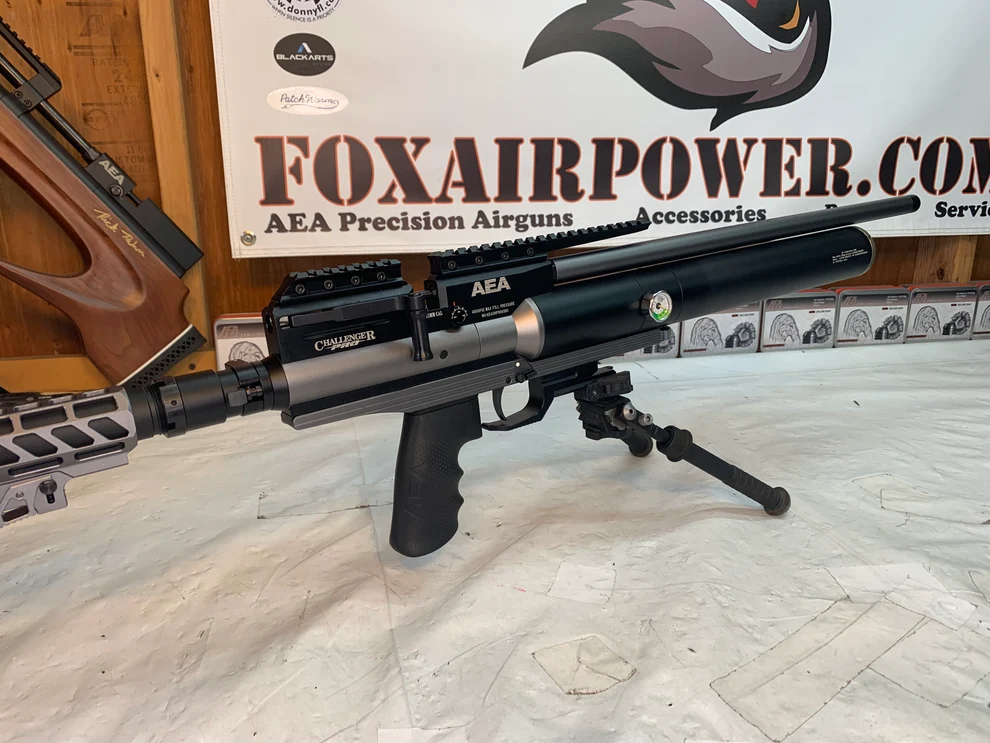
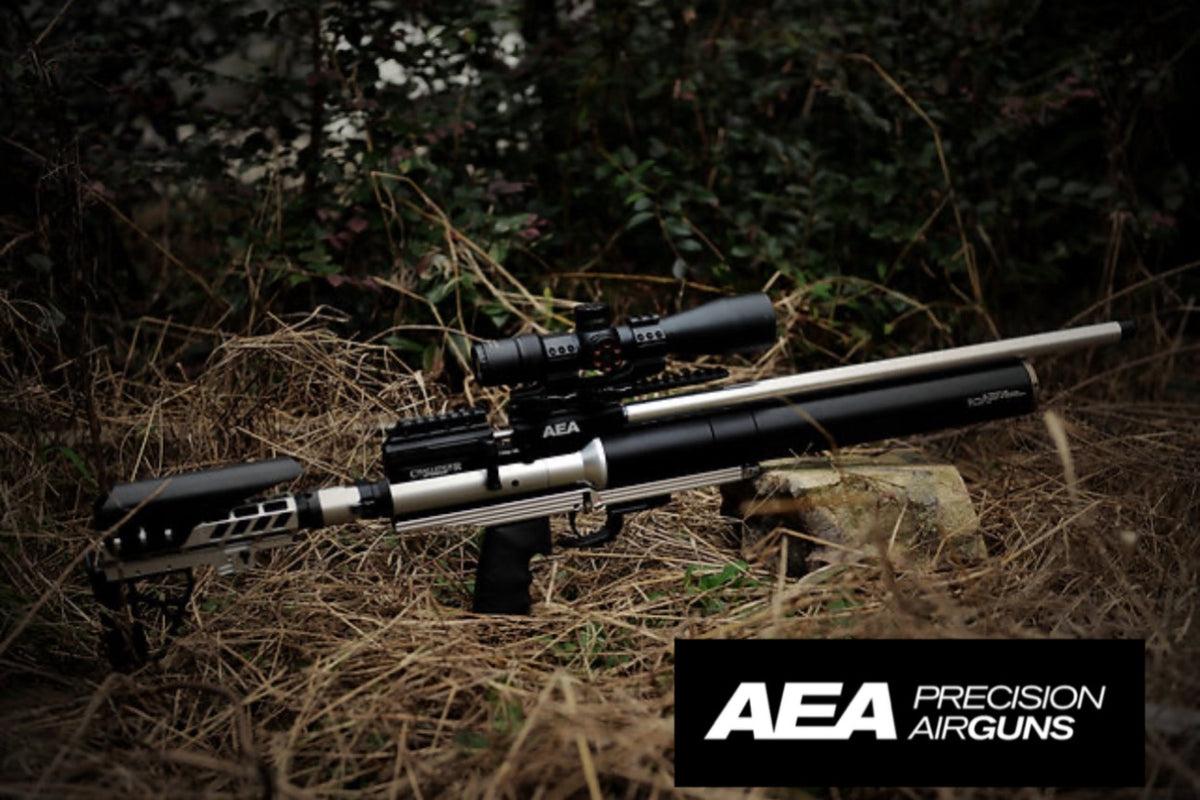
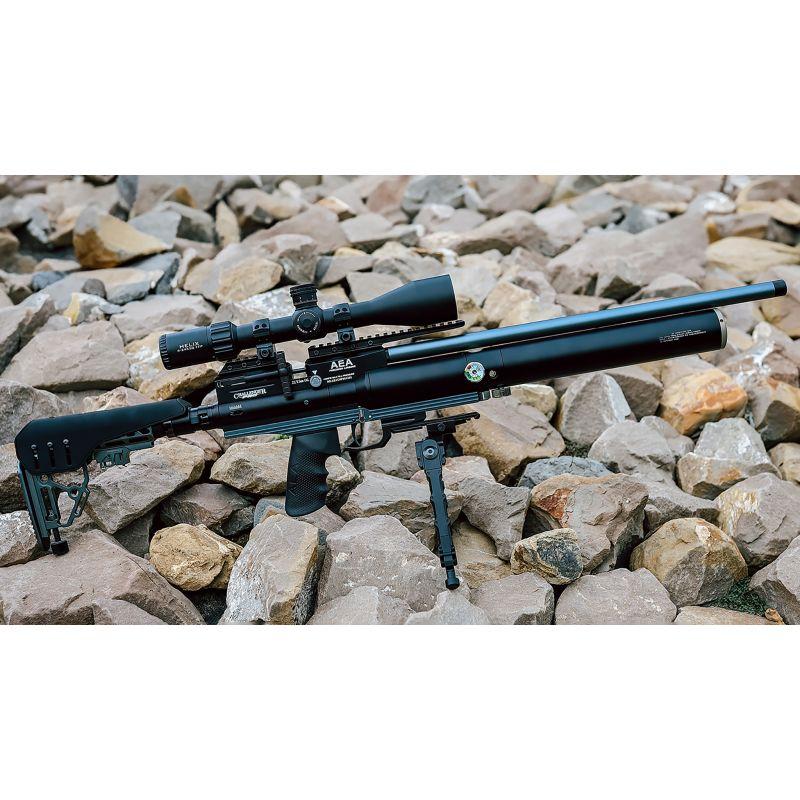
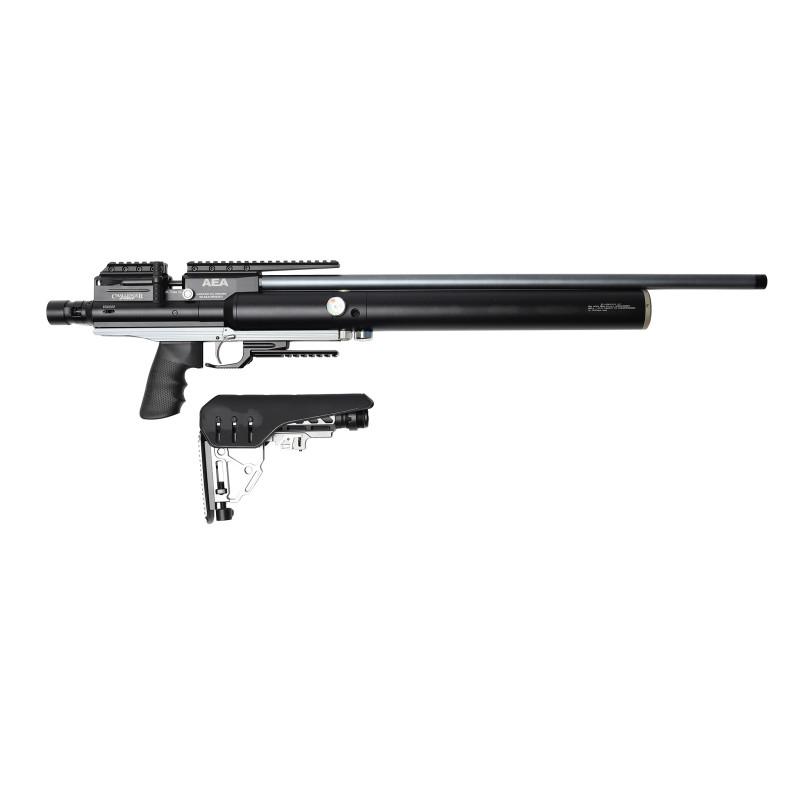
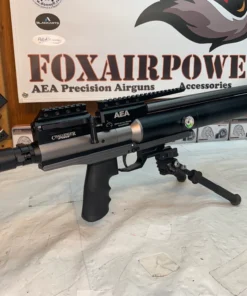


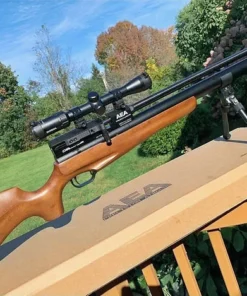

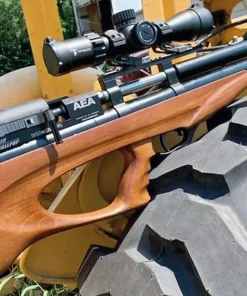





Reviews
There are no reviews yet.